
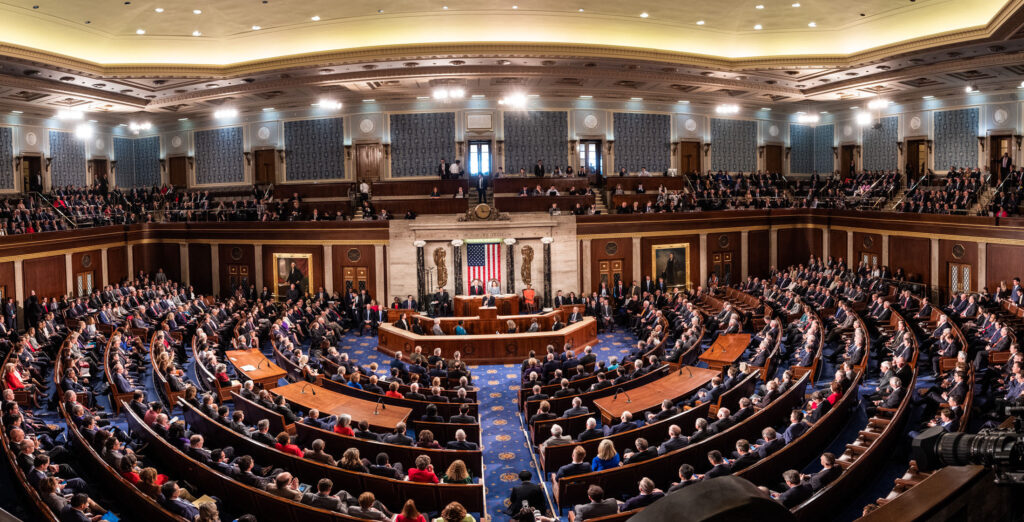
The U.S. House of Representatives, one chamber of the bicameral Congress, is where federal legislation begins its journey. Armed with authority over revenue bills and impeachment proceedings, the House plays a pivotal role in shaping national policy. Representatives serve two-year terms, representing the 435 congressional districts across the 50 states and U.S. territories, in addition to six non-voting delegates .
Current Composition and Party Balance
As of January 3, 2025, Republicans hold a narrow majority with 220 seats, compared to the Democrats’ 213, with two seats vacant thetimes.co.uk+4ushistory.online+4reddit.com+4. This razor-thin margin, the smallest since the early 1930s, endows each vote with heightened significance pewresearch.org.
House leadership sees Mike Johnson (R-LA) serving as Speaker, elected with 218 votes to Democrat Hakeem Jeffries’s 215 history.house.gov+11en.wikipedia.org+11ft.com+11. This slim majority demands strict party unity and leaves little room for internal dissent.
Leadership, Legislative Agenda and Challenges
The House’s legislative priorities this session include tax and spending measures, energy policy, and immigration reform lemonde.fr+5reuters.com+5apnews.com+5. A key piece of legislation currently under consideration is former President Trump’s tax-and-spending package, known as the “big, beautiful bill.” Its Senate-passed version, which includes tax cut extensions, steep Medicaid cuts, and military funding, now faces a critical vote in the House theguardian.com+2reuters.com+2ft.com+2. Despite approval in the Senate, internal Republican divisions and staunch Democratic opposition threaten its passage nypost.com+15apnews.com+15reuters.com+15.
If passed, the bill is projected to increase the national debt by roughly $3.3 trillion over the next decade, potentially leaving nearly 12 million Americans uninsured theguardian.com+4reuters.com+4reuters.com+4. The legislation must also be reconciled between House and Senate versions before final approval .
Demographic Shifts and Representation
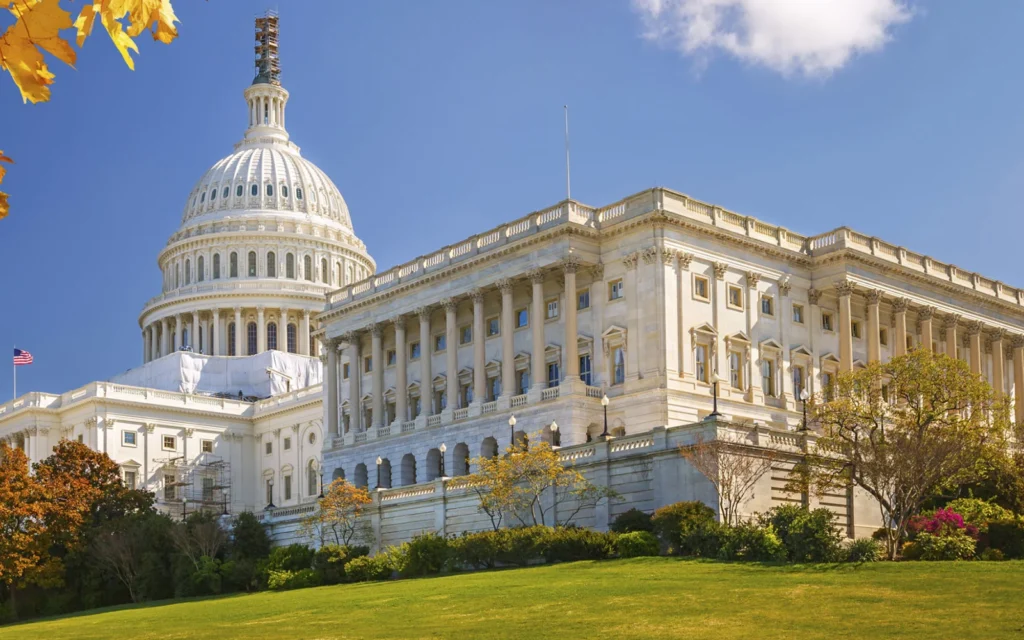
One of the most notable features of the 119th Congress is its diversity. The House now includes the first openly transgender representative, along with a record 28% of members from racial and ethnic minority backgrounds—including Black, Hispanic, Asian, and Native American lawmakers pewresearch.org+1en.wikipedia.org+1. The surge in minority representation reflects broader demographic trends in the U.S. and underscores shifting political alliances.
Electoral Trends and Special Elections
The 2024 elections maintained the Republicans’ slender majority, thanks to a narrow popular vote margin of approximately 2.6% and only modest seat flips axios.com+3en.wikipedia.org+3people.com+3. This close outcome sets the stage for a series of 2025 special elections—particularly in Florida’s 1st and 6th districts, and Virginia’s 11th district—which could change the balance of power if Democrats manage to win one or more thetimes.co.uk+2reddit.com+2wmur.com+2.
Notably, GOP Representative Don Bacon (NE-02) opted not to seek re-election, opening a crucial seat the Democrats aim to capture ft.com+15axios.com+15nypost.com+15.
Oversight Function and Political Impasse
Beyond legislating, the House holds vital oversight responsibilities. In recent months, Democratic members have struggled to conduct effective oversight, facing resistance in accessing federal facilities and information .
This obstruction, combined with internal Republican divisions on fiscal and social-policy priorities, contributes to a stalemate that complicates governance—even amid continuous political turbulence .
Why It Matters Moving Forward
The slim House majority means that just a handful of defections or vacancies could alter control of the chamber—and the nation’s legislative trajectory. Every vote carries outsized weight, especially on high-stakes issues like taxation, healthcare, and immigration. As election cycles progress, the margin for error narrows, embedding even greater significance into special elections and member retention.
Moreover, demographic trends reveal a Congress gradually mirroring the nation’s diversity. The inclusion of first-time representatives from underrepresented communities signals evolving electoral priorities.
Conclusion
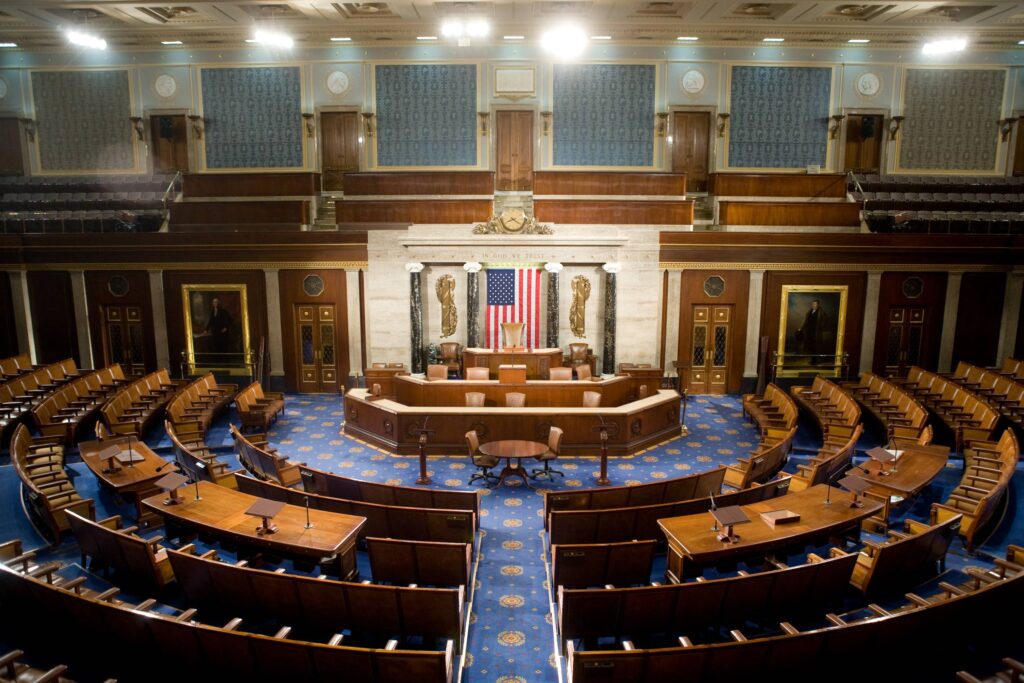
The U.S. House of Representatives is navigating a uniquely turbulent political landscape. A narrow Republican majority, potential redistricting through special elections, contentious fiscal legislation, and demographic transformation define the current Congress.
As legislative and oversight battles intensify, the chamber stands at a critical juncture. Its direction will shape the nation’s policy, balance of power, and democratic representation for years to come.

The Truth About Ben Askren: Beyond the Octagon
Ben Askren, a well-known name in mixed martial arts (MMA), has sparked curiosity about his…

New Batman Trailer Sparks Shock and Awe
The latest trailer for the new Batman film delivers powerful visuals and intense atmosphere. Bruce…

11 Injured in Terrifying Knife Attack at Walmart
On Saturday afternoon, July 26, 2025, a 42-year-old man began randomly stabbing shoppers inside a…

From Iconic Star to Free Spirit: Lisa Bonet’s Rise
Lisa Bonet stands out as one of America’s most fascinating pop culture figures, known not…

One Final Shot: Chris Paul Returns Home
For over two decades, Chris Paul has embodied excellence, leadership, and sharp intelligence on the…

Fans Mourn the Sudden Death of TV Star Warner
The entertainment world is mourning the loss of Malcolm-Jamal Warner, beloved for his role as…